Knowing When to Reach Out to a Plumber: Important Indicators for Property Care
Residents commonly disregard subtle signs that signal plumbing issues. Persistent slow drains, dripping faucets, and unexplained water stains may seem minor, but they can indicate deeper problems. Ignoring these signs can lead to expensive fixes and greater water consumption. Understanding when to contact a plumber is essential for keeping a well-functioning plumbing system. What happens when these issues increase? The consequences might be more severe than one expects.
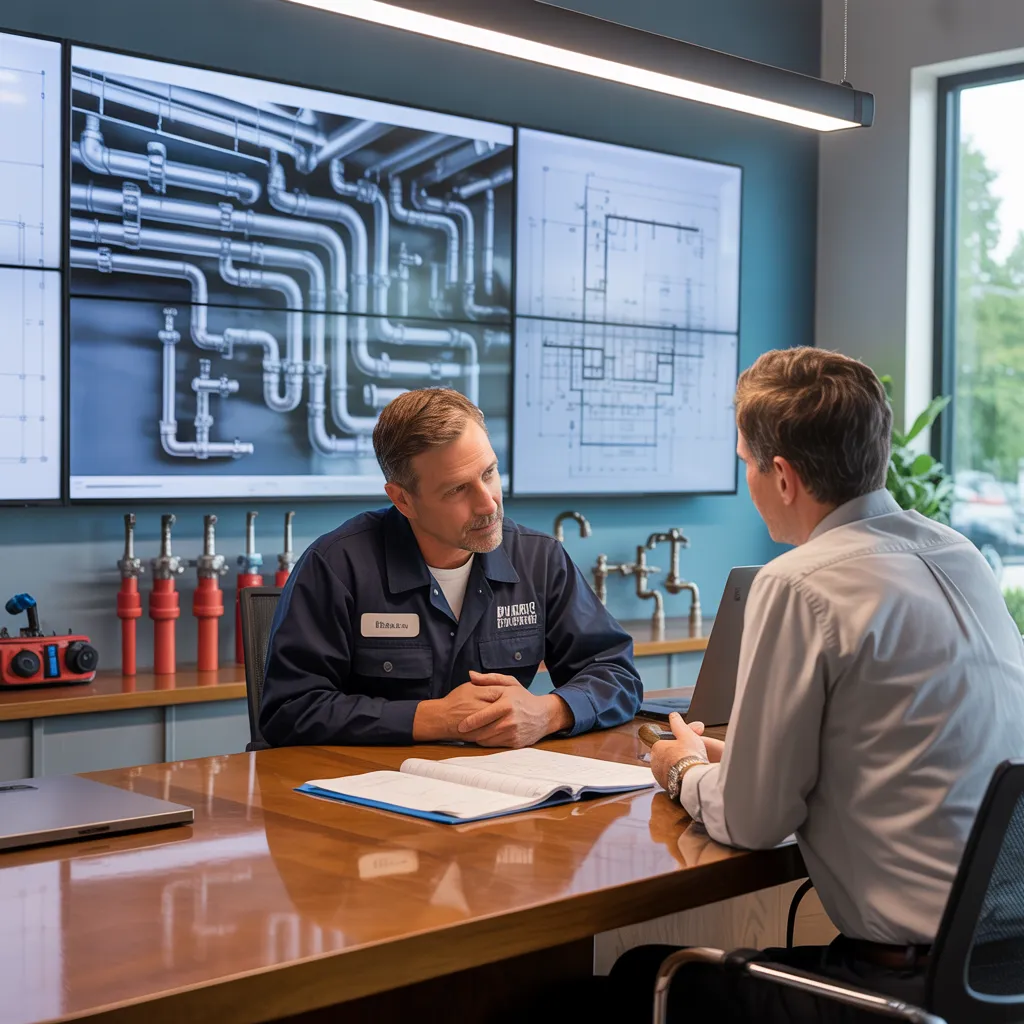
Typical Plumbing Concerns You Must Address
When homeowners experience plumbing concerns, they often minimize the risk level of the problems. Common plumbing issues such as slow drains, dripping faucets, and running toilets may seem insignificant initially, but they can lead to significant damage over time. A slow drain, for instance, can reveal buildup in the pipes, which may in time cause a stoppage. Dripping faucets not just dissipate water but can also suggest failing components or worn fixtures. Running toilets can lose hundreds of gallons of water monthly, resulting in higher utility bills. Ignoring these signs can lead to more extensive repairs and increased costs. Homeowners should understand these frequent concerns and fix them promptly. Consulting a plumbing expert can give answers that prevent more complications, ensuring the durability of the plumbing system and the structural soundness of the home.
Warnings of Concealed Leaks: Ways to Spot Them
Concealed leaks can create a significant threat to a home's piping network, often staying hidden until they lead to serious damage. Homeowners should be vigilant for various clues that point to a undetected leak. One frequent clue is sudden increases in utility costs, which may signal water leakage. Additionally, damp patches on ceilings, walls, or floors can signal moisture penetration. Mold development is another important sign, as it often grows in wet areas resulting from leaks. It is also essential to search for water accumulation in basements or foundation areas, which can reveal a significant leak. Homeowners should listen for the noise of flowing water with all fixtures off, as this can signal a undetected leak. Finally, changes in water pressure when in use may also point to underlying plumbing issues. Early detection of these signs can aid ward off expensive fixes and extensive damage.
What That Bad Smell Means for Your Plumbing?
A bad smell emanating from plumbing can signal various underlying issues that require immediate attention. Commonly, a foul odor may indicate a clogged drain, where food particles and waste accumulate, leading to bacterial growth. This not only produces unpleasant smells but can also contribute to potential health hazards.
Yet another reason for bad odors might be an empty trap. Should a sink or floor drain sit unused for a while, liquid in the trap can dry out, letting sewer gases seep into the residence. Moreover, a critical issue could comprise a cracked sewer line, which might cause considerable structural deterioration and health threats.
Property owners cannot afford to ignore these smells, as they usually reveal complications that could escalate if left unaddressed.
Understanding Changes in Water Pressure
What triggers water pressure inconsistencies can often puzzle homeowners, as these modifications can show various plumbing complications. A sharp reduction in water pressure might indicate a break in the system, particularly in covered pipes. Similarly, an surprising elevation could demonstrate a broken pressure regulator or a difficulty with the public supply.
Consistently fluctuating pressure rates could suggest broader network concerns, including deteriorated pipes or calcium deposits. Residents should monitor the regularity of water delivery; if it becomes irregular, it might be wise to examine things more closely.
Furthermore, fluctuations in water pressure can influence devices and fittings, resulting in lower performance or possible injury to components over time. Recognizing these indicators helps property owners tackle emerging concerns promptly, avoiding expensive maintenance and guaranteeing a dependable plumbing setup. If uncertain, speaking with a plumber can offer insight and appropriate remedies.
Unusual Sounds: What Your Pipes Are Communicating?
Have property owners ever taken time to hear the unusual noises coming from their pipes? These audible signals frequently function as critical warnings of hidden plumbing complications. Gurgling sounds may indicate an obstruction in the drain, while clanging noises, referred to as water hammer, might suggest excessive water pressure or unfastened pipes. A hissing tone could indicate a rupture, which, if not handled, might cause more severe deterioration. Whistling or squealing may alert to complications with the water valve or faucet. All of these tones represent a way of communication from the plumbing structure, prompting property owners to look more carefully. Neglecting these alerts might create substantial expenditures and bother. As a result, detecting and fixing these unusual noises swiftly can conserve resources, funds, and labor in the future. Property owners must stay alert and consider contacting a plumber if these annoying tones grow regular or troublesome.
Identifying Water Damage Prior to Major Problems
Water damage can often go undetected before it develops into a major problem. Homeowners should be alert for unexplained water stains, signs of mold growth, and musty odors, as these can indicate underlying problems. Identifying these signs promptly can avoid expensive fixes and further damage.
Unusual Water Marks
Mysterious water marks on ceilings and walls can serve as an early indicator of underlying plumbing issues. These marks may display as dark discoloration or discoloration, typically signaling leaks from roofing or pipes. Homeowners must remain attentive to the size, shape, and location of these marks, as they may indicate how serious the issue is. When stains grow larger or continue, it may signal a more serious issue that requires professional intervention. Overlooking these indicators can result in additional harm, such as structural damage or higher restoration expenses. Timely action is essential; contacting a plumber can help identify where the leaks are coming from and stop further issues, guaranteeing the home stays secure and structurally intact.
Signs of Mold Development
The presence of water marks can often lead to greater issues, such as mold growth. Homeowners should remain vigilant for indicators that mold may be taking hold. Indicators include discolored patches on walls, ceilings, or floors, Spencer top Plumbing Company typically showing in green, black, or white tones. Furthermore, a damp or humid environment can exacerbate mold growth, particularly in areas with poor ventilation, like bathrooms and basements. Pay attention to any peeling paint or wallpaper, since these may indicate hidden moisture problems. Residents must also note moisture building up on surfaces or windows, that could signal high humidity levels. Addressing these indicators promptly is essential to stop further damage and guarantee a safe living environment.
Damp Smells Found
Musty odors can serve as an early warning sign of hidden water damage inside a home. If residents notice these smells, it often indicates moisture buildup in areas like basements, attics, or behind walls. Musty smells may arise from mold growth or damp materials, both of which indicate the necessity for prompt action. Overlooking these smells may result in greater structural damage and safety concerns. Homeowners should investigate where the odor is coming from, seeking leaks, water stains, or condensation. Should the issue continue or exceed their knowledge, calling a plumber is necessary. Expert help can pinpoint and fix the root cause, guaranteeing a secure and healthy home.
Common Questions
What Is the General Cost of Hiring a Plumber?
Most plumber engagement fall between $45 and $200 per hour, shaped by location, task complexity, and the plumber's qualifications. Supplemental costs may be charged for urgent repairs or specialized jobs.
Should I Attempt Plumbing Issues Myself or Call a Plumber?
Whether you need to address plumbing issues independently or hire a plumber relies on how intricate the task is. Minor work can be manageable, but substantial concerns typically need expert knowledge to prevent extra damage and assure safety.
Which 24/7 Plumbing Services Are Available 24/7?
24/7 after-hours plumbing services usually cover leak repair, clogged drain unclogging, burst pipe repair, and water heater issues. Such offerings guarantee immediate help during plumbing disasters, preventing further damage and bringing back operation promptly.
How Do I Avert Future Drainage Issues?
Preserving plumbing condition calls for routine upkeep. This includes check for leaks, ensure drainage, stop clogs by being careful with refuse, and plan inspections with specialists to tackle foreseeable challenges proactively.
Are There Warranties on Plumbing Jobs?
Several plumbing services firms extend guarantees on their work, guaranteeing work are included for a defined duration. Such assurances provide customers confidence, safeguarding against future future complications connected to the recent plumbing job.